A Comprehensive Guide to Bike Financing for Your Dream Ride
For many, a bicycle is far more than a simple mode of transportation. It represents…
For many, a bicycle is far more than a simple mode of transportation. It represents freedom, a commitment to health, an eco-friendly lifestyle, or perhaps a high-performance tool for competitive racing. However, as cycling technology has advanced, the price tags on premium road bikes, mountain bikes, and electric bicycles (e-bikes) have risen significantly. A high-end carbon fiber frame or a long-range e-bike can often cost as much as a used car.
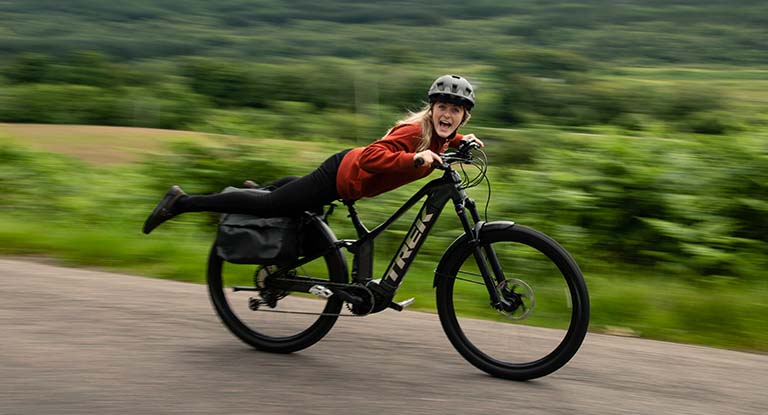
This is where bike financing comes into play. By leveraging specialized financial products, enthusiasts can bridge the gap between their current savings and the handlebars of their dream machine. In this article, we will explore the nuances of bike financing, the various options available, and how to choose the right path for your budget.
Why Consider Financing for a Bicycle?
The primary hurdle to owning a premium bike is the upfront cost. While some may prefer to save for months or years, financing offers several strategic advantages:
- Immediate Access: Instead of waiting, you can start training, commuting, or exploring today. This is particularly beneficial if you are using the bike as a primary vehicle to save on fuel and public transport costs.
- Inflation Hedging: In a market where bike prices tend to rise annually due to material costs and demand, locking in a purchase at today’s price can sometimes be more economical than saving for a future, more expensive model.
- Preservation of Liquidity: Financing allows you to keep your emergency savings intact while paying for the bike in manageable monthly installments.
Exploring Your Financing Options
There is no one-size-fits-all solution when it comes to borrowing money for a bicycle. Depending on your credit score and the retailer, you generally have four main avenues to explore.
1. In-Store Retailer Financing
Many local bike shops (LBS) and major national chains partner with financial firms to offer point-of-sale financing. These are often branded credit cards or installment plans specifically for that store.
- Pros: Often features “0% APR” promotional periods (e.g., no interest if paid in full within 12 months).
- Cons: If the balance is not paid off during the promotional period, deferred interest can be retroactively applied at a very high rate.
2. “Buy Now, Pay Later” (BNPL) Services
Platforms like Affirm, Klarna, and Afterpay have become staples in the cycling industry. During the online checkout process, you can select these options to split the purchase into four equal payments or a longer-term monthly plan.
- Pros: Very fast approval process and transparent payment schedules.
- Cons: Missing a payment can lead to significant fees and negative impacts on your credit score.
3. Personal Loans
If you are looking for a bespoke or high-value custom build that exceeds the limits of store credit, a personal loan from a bank or credit union might be the best route.
- Pros: Usually offers lower interest rates for those with excellent credit and fixed monthly payments.
- Cons: Requires a more formal application process and a hard credit inquiry.
4. Specialized Cycle-to-Work Schemes
In several countries, government-backed programs allow employees to purchase bikes through salary sacrifice. The cost of the bike is deducted from your gross salary, effectively giving you a significant discount through tax savings.
- Pros: Significant tax-free savings and interest-free repayment.
- Cons: Usually tied to your employment and may have a “buy-back” fee at the end of the term.
Key Factors to Evaluate Before Signing
Before committing to a financing plan, you must look beyond the monthly payment. A “low” monthly cost can hide a very expensive loan in the long run.
The Annual Percentage Rate (APR)
The APR represents the true cost of borrowing, including interest and fees. While a 0% offer is ideal, standard rates can vary from 5% to 29%. Always calculate the total amount you will have paid by the end of the term to see if the “convenience” of financing is worth the extra cost.
Loan Duration
A longer loan term (e.g., 36 months) will lower your monthly payment but increase the total interest paid. For a bicycle, it is generally advisable to keep the term between 6 and 18 months to ensure the bike’s value doesn’t depreciate significantly faster than the loan is paid off.
Hidden Fees and Penalties
Read the fine print for “pre-payment penalties.” Some lenders charge you a fee if you decide to pay the loan off early. Ideally, you want a flexible plan that allows you to clear the debt as soon as you have the extra funds.
How to Prepare for the Purchase
To ensure you get the best possible terms, follow these preparatory steps:
- Check Your Credit Score: A higher score opens the door to lower APRs and longer 0% interest windows.
- Set a Realistic Budget: Don’t forget to factor in the “hidden” costs of a new bike, such as a high-quality lock, a helmet, pedals, and initial maintenance services.
- Compare Lenders: Don’t just accept the first offer at the bike shop. Check your local credit union or online lenders to see if they can beat the store’s rate.
Conclusion
Financing your dream bike is a practical way to turn an aspirational goal into a reality. When approached with discipline and a clear understanding of the terms, it allows you to enjoy the physical and mental benefits of cycling without draining your bank account in a single day.
Whether you are eyeing a sleek aero road bike for weekend centuries or a rugged e-bike for your daily commute, the right financing plan acts as a tailwind, helping you reach your destination faster and with less financial strain. Ride responsibly—both on the road and with your wallet.