Why Strong U.S. Data Keeps the Greenback Flying High
In the intricate theater of global finance, the U.S. Dollar (USD) remains the dominant reserve…
In the intricate theater of global finance, the U.S. Dollar (USD) remains the dominant reserve currency, and its value is inextricably link to the economic health of the United States. A recurring theme in currency markets is the dollar’s surge in value following the release of strong U.S. economic data. This phenomenon is not merely a short-term reaction; it is the immediate manifestation of fundamental economic principles that govern capital flow, interest rate expectations, and global investor confidence. When American data signals robust growth, low unemployment, or persistent inflation, the dollar strengthens significantly against other major currencies, creating ripple effects across global trade and investment.
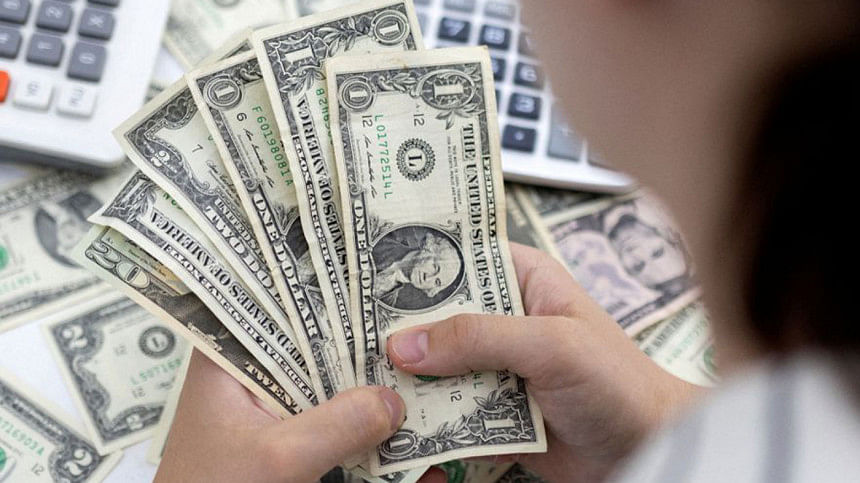
Understanding this dynamic is crucial for anyone involved in international finance, trade, or investing. The dollar’s strength on the back of positive economic reports often boils down to one powerful driver: the anticipated response of the U.S. central bank, the Federal Reserve (the Fed), and the resulting appeal of U.S. assets to international capital.
Subtitle 1: The Interest Rate Expectation Engine
The most direct and powerful mechanism linking strong data to dollar strength is the change in expectations regarding the Federal Reserve’s monetary policy.
Data Signals and the Fed’s Mandate
The Fed has a dual mandate: maximizing employment and maintaining stable prices (controlling inflation). When economic reports show metrics that are “too hot”—such as better-than-expected job creation or Consumer Price Index (CPI) figures that exceed the Fed’s target—it signals two things to the market:
- Inflationary Pressure: A strong economy often means demand is outpacing supply, leading to higher prices.
- Hawkish Response: To cool the economy and control inflation, the Fed is expect to either raise its benchmark interest rate or delay any planned rate cuts (a “hawkish” stance).
The Capital Magnet Effect
Higher U.S. interest rates make dollar-denominated assets—like U.S. Treasury bonds, corporate bonds, and even high-yield savings accounts—more attractive relative to assets denominated in currencies from countries with lower rates (e.g., the Eurozone or Japan).
- The Carry Trade: Global investors shift massive amounts of capital into the U.S. to capture this higher yield, a practice known as the “carry trade.” To buy these dollar-denominated assets, investors must first buy dollars, increasing the demand for the currency and driving up its value.
Subtitle 2: Defining “Strong” Data and Its Impact
Not all economic reports are creat equal. Certain high-impact reports have a disproportionately large influence on the dollar’s valuation because they are direct inputs into the Fed’s policy models.
1. Labor Market Resilience
Strong data from the labor market is a primary dollar driver. Reports like the Non-Farm Payrolls (NFP) figure, which tracks net jobs added, and the Unemployment Rate are closely watched. A surge in NFP or a sharp drop in the unemployment rate suggests a tight, robust labor market, which fuels wage growth and, subsequently, inflation—prompting an anticipated hawkish Fed response and a stronger dollar.
2. Inflationary Indicators
Data directly related to pricing power confirms the need for tighter monetary policy. The Consumer Price Index (CPI), which measures goods and services inflation, and the Producer Price Index (PPI), which tracks wholesale prices, are critical. High readings of these indices are almost guaranteed to bolster the dollar as the market prices in higher interest rates.
3. Consumer Confidence and Spending
Reports showing resilient Retail Sales and high Consumer Confidence indicate that the engine of the U.S. economy—consumer spending—is running strong. This implies the economy can withstand higher interest rates without crashing, giving the Fed more room to maneuver, which again supports a stronger dollar.
Subtitle 3: The Dollar as a Global Safe Haven
Beyond interest rates, the dollar’s strength in response to good data also reflects its unparalleled status as the global reserve currency and a safe haven asset.
1. Confidence in Stability
Strong economic data reinforces global investors’ faith in the long-term financial and political stability of the United States. In times of global uncertainty, capital tends to flow toward the safest and most liquid markets, and strong U.S. data confirms the nation’s economic exceptionalism, attracting a reliable flow of “risk-off” capital.
2. Global Debt and Trade Dynamics
Since most international trade (especially commodities like oil) is priced in USD, and a vast amount of global debt is dollar-denominated, continuous U.S. economic strength ensures that the vast infrastructure of global finance continues to rely on the greenback. Even developing nations need to hold dollars to service their external debts, creating a constant, fundamental demand for the currency.
Conclusion: The Dollar’s Self-Fulfilling Cycle
The dollar’s ascent on strong U.S. data is a self-fulfilling cycle: robust economic activity prompts expectations of higher interest rates; higher rates attract global capital; increased capital demand drives the dollar’s value up.
This dynamic means that for the foreseeable future, as long as the U.S. economy continues to outperform its peers—particularly in core areas like the labor market and inflation—the U.S. dollar will likely remain ascendant. Tracking these key data releases is the most effective way for market participants to anticipate currency movements and manage their exposure in the global financial system.