The U.S. Dollar (USD) is the undisputed heavyweight champion of global currencies. Its position as the world’s primary reserve currency and the dominant unit for international trade and debt creates a powerful dynamic: when the dollar strengthens, it sends tremors across the global economy. For businesses, consumers, and governments outside the U.S., a strong dollar can translate into higher import costs, ballooning foreign debt payments, and inflationary pressure. Therefore, developing strategies to get stronger against the dollar is a critical maneuver for maintaining economic stability and competitive advantage.
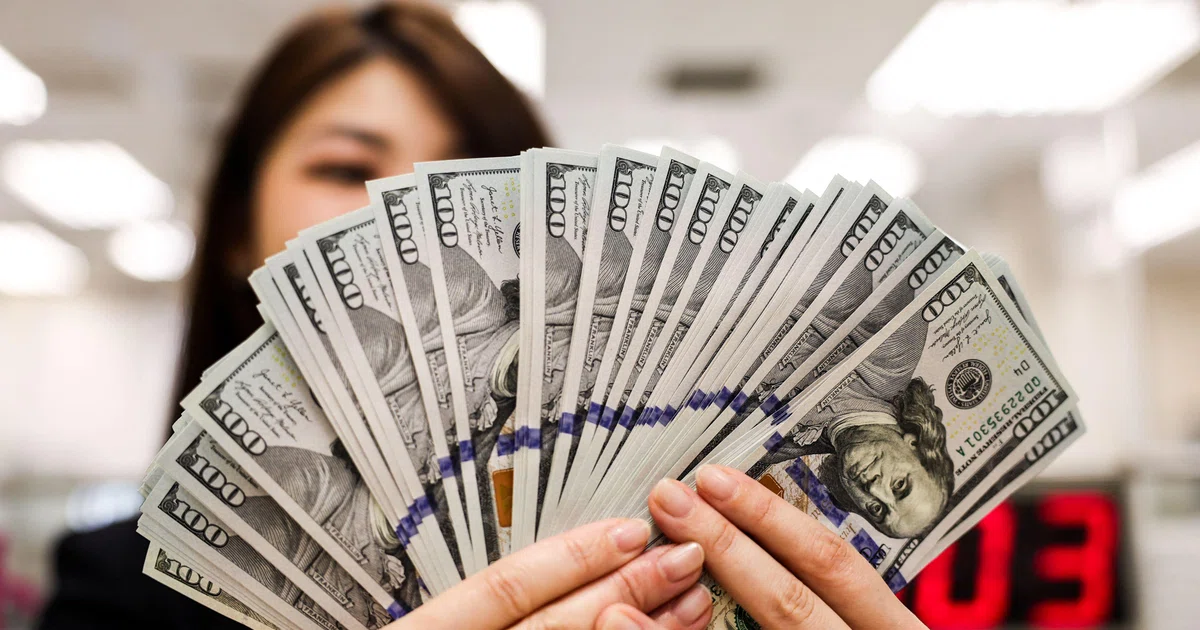
This strength is not an immutable law; it is dictated by monetary policy, economic fundamentals, and investor sentiment. Getting stronger against the dollar requires a multifaceted, proactive approach centered on economic diversification, monetary independence, and strategic financial planning. It’s a long game that demands structural reform over quick fixes.
Subtitle 1: The Government and Central Bank Toolkit
For a sovereign nation, the most potent levers for strengthening a domestic currency against the dollar lie in the realm of macroeconomic policy.
1. Strategic Interest Rate Management
The primary driver of short-term currency strength is the interest rate differential. If a country’s central bank raises its benchmark interest rates above the Federal Reserve’s rate (or narrows the gap), it makes assets denominated in the local currency more attractive to international capital.
- The Capital Inflow: Global investors are drawn to higher yields, leading them to sell dollars and buy the local currency to purchase domestic bonds and financial assets. This increased demand for the local currency directly drives up its value relative to the USD. This requires the central bank to maintain credibility and independence to execute monetary policy effectively.
2. Fiscal Discipline and Debt Reduction
A strong currency is ultimately rooted in a strong, stable economy. Governments must commit to fiscal discipline by keeping national debt levels sustainable and maintaining low, predictable budget deficits. High debt and persistent deficits erode investor confidence, making local currency assets appear riskier compared to U.S. Treasury securities, which are viewed as the safest assets globally.
3. Diversification of Trade and Currency Reserves
To lessen the impact of the dollar’s strength on trade costs, nations must actively diversify:
- Bilateral Trade Agreements: Negotiating bilateral trade agreements that allow for invoicing in local currencies (or a third, mutually agreed-upon currency) reduces dependence on the USD for import/export transactions.
- Non-Dollar Reserves: Central banks can gradually diversify their foreign exchange reserves, holding more Gold, Euros, Yen, or Renminbi instead of relying overwhelmingly on the dollar. This is a long-term strategy to reduce exposure to U.S. monetary policy swings.
Subtitle 2: Business and Corporate Strategies for Resilience
Companies engaged in international trade or those holding dollar-denominated debt must implement tactical financial strategies to mitigate the damage caused by a rising dollar.
1. Active Currency Hedging
Businesses can’t wait for the currency to fall; they must manage foreign exchange risk proactively. Currency hedging involves using financial instruments like forward contracts, options, or swaps to lock in an exchange rate for a future transaction.
- Certainty in Cost: A manufacturer expecting a large payment in six months can hedge that revenue, ensuring the USD strength doesn’t suddenly evaporate their profit margin. Similarly, an importer can lock in the cost of future raw materials. This transforms currency risk into a predictable cost.
2. Localizing Supply Chains and Invoicing
Companies can reduce reliance on the dollar by restructuring their operations to minimize USD exposure.
- Local Sourcing: Shifting procurement to domestic suppliers or suppliers within a region that uses a stable, non-USD currency reduces the amount of foreign currency needed for imports.
- Local Currency Invoicing: Where possible, companies should negotiate with foreign buyers to invoice and settle transactions in the local currency. This transfers the foreign exchange risk to the international client, insulating the domestic company from USD appreciation.
3. Reducing Dollar-Denominated Debt
For corporations with existing dollar loans, a strengthening USD makes debt servicing more expensive in local currency terms. Strategic moves include:
- Refinancing: Actively seeking opportunities to refinance dollar-denominated debt into local currency debt or debt denominated in currencies with lower interest rate forecasts.
Subtitle 3: The Individual Consumer’s Defense Plan
Even individual consumers and small businesses feel the bite of a strong dollar through inflation and rising costs. They too can adopt defensive strategies.
1. Selective Spending and Domestic Consumption
When the dollar is strong, imported goods (from electronics to certain food products) become more expensive in local currency terms. Consumers can push back against this inflation by prioritizing locally produced goods and services, reducing reliance on dollar-priced imports.
2. Strategic Investing and Savings
Individuals with access to international markets should look to diversify their savings and investment portfolios to include assets that are not exclusively dollar-denominated.
- Global Diversification: Investing in foreign stocks, bonds, or global ETFs provides a natural hedge against a weakening local currency (though it introduces other market risks).
- Commodity Exposure: Certain hard assets, like gold, often hold their value or even appreciate during periods of high inflation or currency volatility, serving as a buffer against currency depreciation.
Conclusion: Structural Resilience Over Wishful Thinking
Strengthening an economy against the dominance of the dollar is a long-term project requiring a confluence of political will, monetary prudence, and business agility. It is not about simply hoping for the dollar to weaken, but about building structural resilience.
Through a combination of central bank rate strategy, rigorous fiscal discipline, business hedging practices, and consumer consciousness, nations and businesses can significantly mitigate the negative impacts of the powerful U.S. currency. The goal is to make the domestic economy so fundamentally sound and attractive that the local currency can stand on its own merit, securing financial independence and stability.